.png)
What Is Multichannel Marketing and Its Impact on eCommerce

More than 60 percent of british eCommerce businesses now use at least three different marketing channels to connect with customers. For owners in the UK and Ireland, juggling website traffic, social media engagement, and in-store experiences is a daily reality. Understanding multichannel marketing can help you create stronger customer relationships and drive steady sales. This guide explains how to unify your strategy and make every channel work together for your brand.
Table of Contents
Key Takeaways
Point | Details |
Multichannel Marketing Impact | Businesses must engage customers through multiple channels for cohesive experiences and heightened conversions. |
Personalisation and Data Insights | Utilising data analytics and personalised marketing can significantly enhance customer engagement and satisfaction. |
Channel Integration | Creating seamless transitions and maintaining consistent messaging across platforms is crucial for successful multichannel strategies. |
Continuous Improvement | Regular audits of integration processes and adaptive strategies are essential for overcoming challenges and optimising performance. |
Multichannel Marketing Defined for eCommerce Brands
Multichannel marketing represents a strategic approach where businesses engage customers through multiple communication and sales channels simultaneously. Unlike traditional single-channel strategies, this method allows eCommerce brands to create interconnected touchpoints that provide seamless customer experiences across digital and physical platforms.
At its core, multichannel marketing involves strategically distributing marketing efforts across various platforms such as websites, mobile applications, social media, email campaigns, and physical retail spaces. The evolution of multichannel strategies reveals a progressive transformation from fragmented communication approaches to integrated systems that prioritise customer interaction and personalisation.
For eCommerce brands, multichannel marketing means understanding customer preferences and creating cohesive messaging that resonates across different platforms. By leveraging personalised marketing techniques, businesses can track customer interactions, analyse behaviour patterns, and deliver targeted experiences that increase engagement and conversion rates.
The key components of effective multichannel marketing include consistent brand messaging, unified customer data management, and adaptive communication strategies that respond to individual customer journeys. Successful implementation requires sophisticated technological infrastructure and a deep understanding of customer segmentation and behaviour.
Pro tip: Invest in robust analytics tools that can track customer interactions across multiple channels and provide comprehensive insights into your multichannel marketing performance.
Key Channels and How They Interact
Multichannel marketing leverages a diverse ecosystem of digital and physical channels that work together to create comprehensive customer experiences. Complex interaction dynamics between retail channels reveal sophisticated consumer engagement patterns, demonstrating how customers seamlessly move between different platforms during their purchasing journey.
The primary channels in multichannel marketing include:
Websites: Primary digital storefront providing comprehensive product information
Mobile Applications: Personalised, on-the-go shopping experiences
Social Media Platforms: Interactive marketing and direct sales channels
Email Marketing: Targeted communication and personalised promotions
Physical Retail Stores: Traditional touchpoint for direct customer interaction
Sophisticated network models demonstrate how these channels interconnect dynamically, creating a complex ecosystem where customer data flows between platforms. These interactions enable businesses to track customer behaviour, preferences, and purchasing patterns across multiple touchpoints, allowing for more nuanced and targeted marketing strategies.
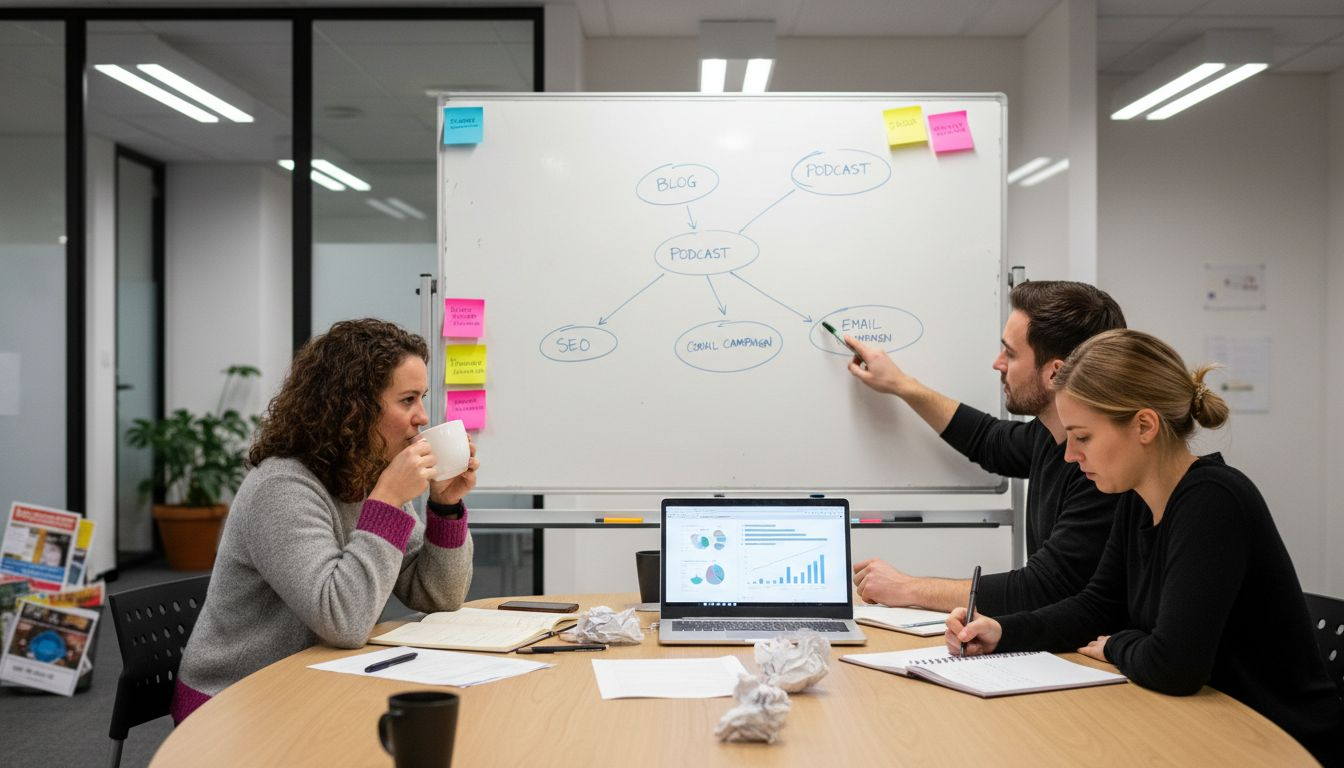
The key to successful multichannel integration lies in creating seamless transitions between channels, ensuring consistent messaging, and maintaining a unified customer experience. This requires robust technological infrastructure, advanced analytics, and a deep understanding of how customers interact with different platforms throughout their buying journey.
Here is a summary of how different channels contribute to customer engagement in multichannel marketing:
Channel | Unique Strength | Typical Customer Use |
Websites | Full product visibility | Research and purchase |
Mobile Applications | Personalisation, speed | Quick orders, notifications |
Social Media Platforms | Community interaction | Brand discovery, sharing |
Email Marketing | Direct communication | Exclusive offers, updates |
Physical Retail Stores | In-person experience | Product sampling, support |
Pro tip: Develop a centralised customer data platform that aggregates interactions across all channels to create a comprehensive, 360-degree view of customer behaviour and preferences.
Choosing Platforms: Social, Search and Beyond
Strategic platform selection represents a critical component of multichannel marketing, requiring businesses to carefully evaluate the unique strengths and audience potential of different digital channels. Each platform offers distinct opportunities for customer engagement, with social media, search engines, and emerging digital spaces providing nuanced pathways for brand communication and sales.
Social media platforms have emerged as powerful marketing channels, especially for social commerce strategies. Different platforms cater to specific demographics and engagement styles:
Facebook: Broad audience reach, sophisticated advertising tools
Instagram: Visual storytelling, younger demographic engagement
LinkedIn: Professional networking, B2B marketing opportunities
TikTok: Short-form video content, emerging youth market
Pinterest: Product discovery and inspiration-driven purchasing
Search platforms like Google and Bing offer another critical dimension of multichannel marketing, enabling businesses to capture high-intent customers through targeted search engine marketing and optimisation strategies. These platforms allow precise audience targeting based on search intent, keywords, and user behaviour patterns.
Beyond traditional social and search channels, emerging platforms like messaging apps, voice search interfaces, and augmented reality experiences are expanding the multichannel marketing landscape. Successful brands will continuously adapt their strategies to integrate these evolving technological touchpoints, creating seamless and innovative customer interaction experiences.
Pro tip: Conduct regular audience research to understand which platforms your specific customer segments actively use and tailor your multichannel approach accordingly.
Driving Customer Engagement and Business Growth
Multichannel marketing represents a sophisticated strategic approach to driving customer engagement and organisational growth, transforming how businesses interact with and convert potential customers across multiple digital platforms. By creating integrated touchpoints, brands can develop more nuanced, personalised interactions that respond directly to individual customer preferences and behaviours.
The key strategies for driving engagement and growth through multichannel marketing include:
Personalisation: Tailoring content and offers to specific customer segments
Data-Driven Insights: Leveraging analytics to understand customer journeys
Consistent Messaging: Maintaining brand voice across all platforms
Responsive Design: Ensuring seamless experiences across devices
Targeted Communication: Delivering relevant content at optimal times
Businesses can further enhance growth by implementing comprehensive email marketing strategies that complement their broader multichannel approach. This involves creating sophisticated communication workflows that nurture customer relationships, encourage repeat purchases, and build long-term brand loyalty through strategic, targeted interactions.
Successful multichannel marketing goes beyond simple platform presence. It requires a holistic approach that integrates customer data, predictive analytics, and adaptive communication strategies. By understanding and anticipating customer needs across different channels, businesses can create more meaningful connections that drive both engagement and sustainable revenue growth.

Pro tip: Implement a unified customer data platform that consolidates interactions across all channels, enabling more intelligent and personalised marketing decisions.
Integration Challenges and Common Pitfalls
Multichannel marketing integration presents complex challenges that can significantly disrupt organisational effectiveness, requiring businesses to navigate intricate technical and strategic obstacles. These challenges extend far beyond simple technological implementation, encompassing data management, communication consistency, and organisational alignment.
The primary integration challenges include:
Data Synchronisation: Ensuring consistent customer information across platforms
Technical Interoperability: Connecting disparate systems and technologies
Channel Conflict: Managing potential competition between different marketing channels
Technological Complexity: Implementing sophisticated integration infrastructures
Resource Allocation: Balancing investments across multiple marketing platforms
Successful multichannel integration requires a comprehensive approach that addresses both technological and human factors. Omnichannel strategies can help mitigate potential integration challenges by creating more flexible and adaptive marketing ecosystems. This involves developing robust technological frameworks that enable seamless data flow, real-time communication, and unified customer experiences across different touchpoints.
Organisations must also invest in continuous staff training and develop adaptive technological infrastructure that can evolve with changing market dynamics. The most successful brands view multichannel integration as an ongoing process of refinement, constantly analysing performance metrics, identifying potential friction points, and implementing iterative improvements to their marketing strategies.
Below is a comparison of common integration pitfalls and recommended solutions for multichannel marketing:
Integration Challenge | Impact on Business | Recommended Solution |
Data Synchronisation | Fragmented customer view | Use centralised data platforms |
Channel Conflict | Reduced sales effectiveness | Align messaging and incentives |
Technological Complexity | High implementation costs | Employ modular, scalable infrastructure |
Resource Allocation | Budget strain | Prioritise channels with strong ROI |
Pro tip: Conduct regular technical and strategic audits of your multichannel integration approach, identifying potential systemic inefficiencies and implementing targeted improvements.
Unlock the Full Potential of Multichannel Marketing for Your eCommerce Brand
Navigating the complexities of multichannel marketing can feel overwhelming with challenges like data synchronisation and maintaining consistent brand messaging across platforms. The article highlights how seamless integration of channels such as social media, email marketing, and physical stores is critical for driving personalised customer engagement and sustainable growth. Without expert guidance, fragmented customer views and channel conflicts can stall your brand’s success.
At iWantToBeSeen.online, we specialise in digital marketing services including SEO, AI-powered strategies, Social Media, and PPC designed specifically for eCommerce websites. With over 25 years of experience scaling multiple successful brands, we understand the crucial need for a unified customer data platform and adaptive communication strategies that deliver measurable results. Let us help you overcome technological complexity and resource allocation challenges by creating integrated solutions that boost engagement and increase conversion rates.
Discover how to transform your multichannel marketing approach today.

Ready to turn your multichannel marketing challenges into opportunities? Visit iWantToBeSeen now to connect with experts who can tailor a strategy that aligns with your unique customer journey and business goals. Don’t wait to build a cohesive brand presence that drives growth and lasting loyalty.
Frequently Asked Questions
What is multichannel marketing in eCommerce?
Multichannel marketing in eCommerce refers to the strategy of engaging customers through multiple communication and sales channels, such as websites, social media, email, and physical retail stores, creating a seamless and interconnected customer experience.
How does multichannel marketing impact customer engagement?
Multichannel marketing enhances customer engagement by providing various touchpoints for interaction, allowing brands to deliver personalised and consistent messaging that resonates with customers across different platforms.
What are the main challenges of implementing multichannel marketing?
The main challenges include data synchronisation, technical interoperability between systems, managing channel conflict, and ensuring consistent messaging across all platforms. Addressing these challenges is crucial for successful integration.
What strategies can businesses use to improve their multichannel marketing?
Businesses can improve their multichannel marketing by focusing on personalisation, leveraging data-driven insights, maintaining consistent brand messaging, designing responsive experiences across devices, and ensuring targeted communication at optimal times.
Recommended
Comments