.png)
How to Boost Online Sales for Ecommerce Success


Over 80 percent of British businesses believe digital marketing directly impacts their sales growth. Yet knowing which strategies to keep and which to overhaul can be overwhelming. With the online marketplace evolving quickly, understanding where your digital efforts are working and where they are falling short is essential for staying ahead of the competition. This guide breaks down practical steps to track, optimise, and measure your digital marketing performance so you can make smarter decisions and accelerate online sales.
Table of Contents
Quick Summary
Key Point | Explanation |
1. Assess Digital Marketing Performance | Collect data on key metrics like traffic and conversion rates to identify areas for improvement. |
2. Optimise Product Pages | Enhance product pages with high-quality images, clear descriptions, and strategic calls to action to improve conversion rates. |
3. Leverage SEO and AI Content | Use AI for keyword research and content development to attract targeted traffic while answering customer queries. |
4. Implement Targeted Campaigns | Segment your audience and create tailored advertising campaigns on PPC and social media to boost engagement and conversions. |
5. Continuously Monitor and Adjust | Set up tracking for KPIs and conduct regular reviews to refine marketing strategies based on performance data. |
Step 1: Assess current digital marketing performance
To accelerate your online sales and pinpoint improvement opportunities, you need a systematic approach to evaluating your digital marketing performance. Understanding your current strategies through precise metrics allows you to make strategic adjustments that drive meaningful growth.
Begin by collecting comprehensive data across key performance indicators. Investigate web analytics practices that reveal how visitors interact with your online store. Focus on metrics such as website traffic, conversion rates, average order value, cart abandonment rates, and customer acquisition cost. Track these indicators consistently using tools like Google Analytics, ensuring you analyse not just raw numbers but the story behind the data.
Pay close attention to channel performance. Which marketing channels generate the most qualified traffic? Compare the effectiveness of search engine marketing, social media advertising, email campaigns, and organic search. Some channels might deliver high traffic but low conversion rates, signalling a need for targeted optimisation. Research examining digital marketing effectiveness suggests that understanding these nuanced performance variations can significantly improve your strategic approach.
Warning: Avoid getting lost in data paralysis. Select 5-7 core metrics that genuinely reflect your business objectives, and monitor them consistently. Your next step will involve interpreting these insights to craft a refined marketing strategy.
Step 2: Optimise product pages for maximum conversion
Transforming your product pages into conversion powerhouses requires a strategic approach that balances visual appeal, informative content, and user experience. By carefully crafting each element, you can significantly increase the likelihood of turning browsing visitors into paying customers.
Advanced web interface optimisation techniques demonstrate that visual design plays a crucial role in user engagement. Start by ensuring your product images are high resolution, professionally shot, and showcase multiple angles. Include zoom functionality and 360degree view options that allow customers to examine products closely. Write compelling product descriptions that highlight unique features, benefits, and solve potential customer pain points. Use clear, concise language that speaks directly to your target audience.

Implement strategic conversion elements like prominent call-to-action buttons, clear pricing information, and trust signals such as customer reviews and secure payment icons. Multivariate testing algorithms suggest continuously experimenting with page layouts to find the most effective design. Consider adding social proof elements like customer testimonials, user generated content, and real-time purchase notifications to build credibility and urgency.
Warning: Avoid overwhelming visitors with too much information. Keep your product pages clean, focused, and easy to navigate. Your goal is to guide customers smoothly towards making a purchase, not confuse them with excessive details. The next step will involve setting up tracking to measure the effectiveness of your optimisation efforts.
Step 3: Leverage SEO and AI-driven content to increase traffic
Transforming your online store’s visibility requires a sophisticated blend of search engine optimisation and intelligent content strategies that attract and engage potential customers. By combining technical SEO expertise with cutting-edge artificial intelligence, you can create a powerful approach to driving targeted traffic and improving your digital presence.
Advanced product recommendation algorithms demonstrate how AI can dramatically enhance content relevance and user engagement. Start by conducting comprehensive keyword research using AI-powered tools that analyse search intent and competitive landscapes. Develop content that answers specific customer questions, addressing their pain points while naturally incorporating high value search terms. Integrate long tail keywords that capture specific user queries and create in depth content pieces that provide genuine value to your target audience.
Digital marketing investment analysis reveals that strategic content development can significantly improve return on marketing efforts. Implement machine learning tools to personalise content recommendations, dynamically adjust page elements, and create more targeted user experiences. Utilise AI writing assistants to help draft compelling product descriptions, blog posts, and category pages that are both search engine friendly and genuinely informative. Pay close attention to semantic search principles, ensuring your content comprehensively covers topics in ways that signal expertise to search algorithms.
Warning: Avoid over-optimising or creating content solely for search engines. Your primary goal is to provide genuine value to human readers while strategically improving search visibility. The next step will involve tracking and measuring the performance of your SEO and content strategies.
Step 4: Implement targeted PPC and social media campaigns
Creating a powerful digital marketing strategy requires precise targeting and strategic investment across pay per click advertising and social media platforms. Your goal is to develop campaigns that not only attract potential customers but also convert them into loyal purchasers.
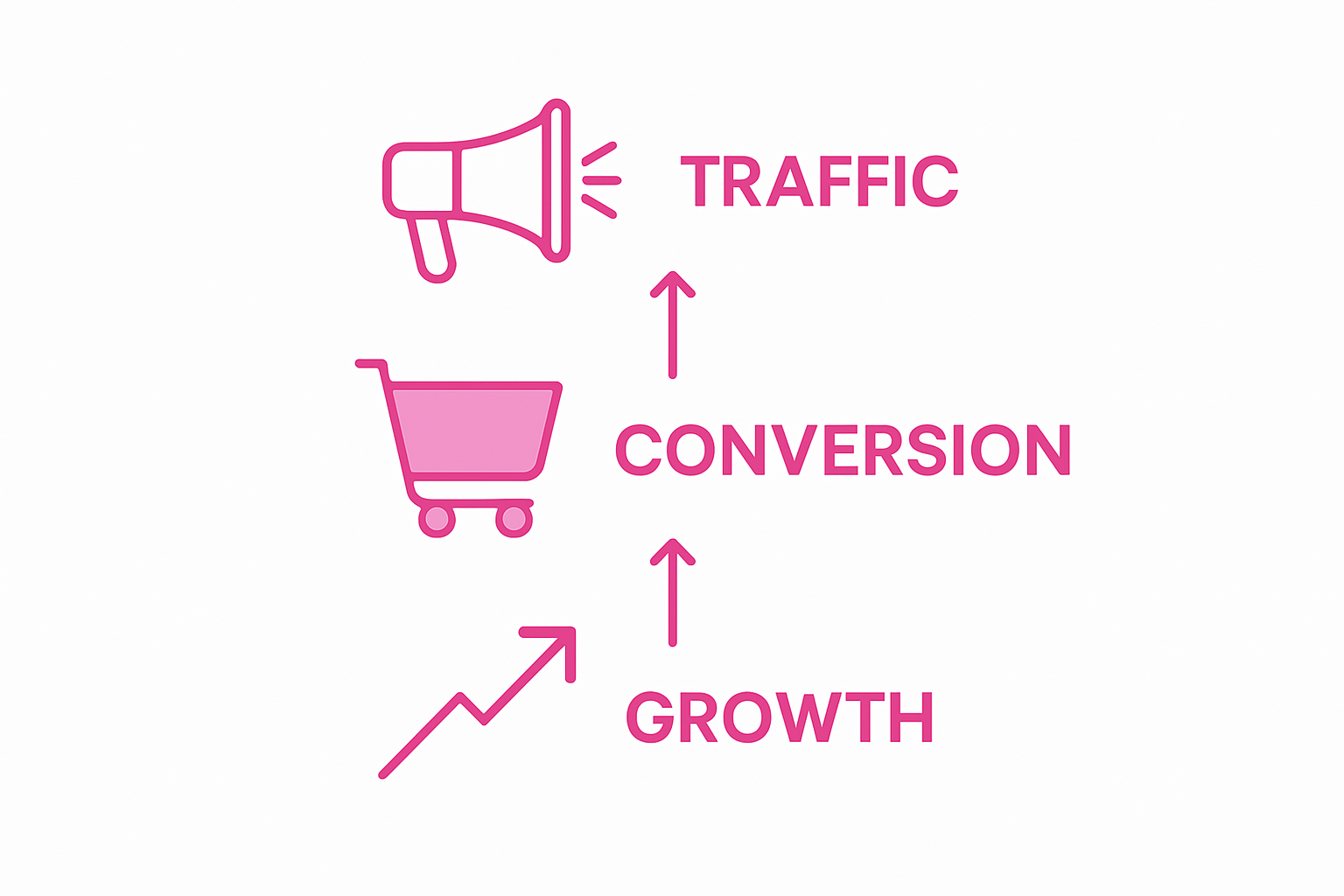
Digital marketing strategies for small businesses reveal that innovative approaches can significantly enhance campaign performance. Begin by segmenting your audience meticulously using demographic data, purchasing behaviour, and interests. Create custom audience groups for platforms like Facebook and Google Ads, developing tailored messaging that resonates with each specific segment. Utilise retargeting techniques to re-engage visitors who have previously interacted with your online store but did not complete a purchase.
Consumer buying behaviour analysis suggests that strategic digital marketing tools can profoundly influence purchasing decisions. Develop compelling ad creatives that showcase your products benefits, using high quality images and concise persuasive copy. Implement conversion tracking to monitor performance and allocate your advertising budget effectively. Experiment with different ad formats such as carousel ads, video content, and dynamic product advertisements to discover which formats generate the most engagement for your specific audience.
Warning: Avoid spreading your advertising budget too thinly across multiple platforms. Focus on channels where your target audience is most active and continuously refine your approach based on performance data. Your next step will involve analysing campaign metrics and optimising your marketing strategy.
Step 5: Monitor results and refine strategies continuously
Successful ecommerce growth demands a dynamic approach where data drives decision making and continuous improvement becomes your fundamental strategy. Your goal is to transform raw performance metrics into actionable insights that consistently enhance your online business performance.
Digital marketing performance measurement techniques highlight the critical importance of establishing comprehensive tracking mechanisms. Set up advanced analytics dashboards that provide real time insights into key performance indicators such as conversion rates, average order value, customer acquisition cost, and return on advertising spend. Implement robust tracking pixels across all marketing channels to capture granular data about user interactions, enabling you to understand precisely how different touchpoints contribute to your sales funnel.
Web analytics assessment strategies suggest developing a systematic approach to performance evaluation. Conduct monthly comprehensive reviews where you analyse each marketing channel individually and comparatively. Create detailed reports that not only showcase raw numbers but also provide context and potential strategic adjustments. Pay special attention to emerging trends, seasonal variations, and shifts in customer behaviour that might require proactive modifications to your marketing approach.
Warning: Avoid becoming paralysed by data analysis. Use metrics as a guide, not an absolute rulebook. Your goal is to make informed, agile decisions that keep your marketing strategy responsive and effective. The next phase involves integrating these insights into a comprehensive growth strategy.
Unlock Your Ecommerce Growth Potential with Expert Digital Marketing
Struggling to convert online visitors into loyal customers or unsure how to optimise your digital marketing channels effectively This article highlights the challenge of navigating complex performance metrics while striving to boost online sales Our team understands the pain points of data paralysis and ineffective product page conversions which can stall your business growth We specialise in overcoming these exact hurdles by combining proven SEO strategies AI-powered content optimisation and targeted PPC and social media campaigns tailored for ecommerce success
Key benefits of partnering with us include
Personalised strategies that focus on key performance indicators like conversion rates and customer acquisition cost
High impact product page enhancements that improve user experience and increase sales
Cutting-edge AI tools that create valuable, search engine friendly content to drive organic traffic
Laser targeted advertising campaigns that maximise your marketing budget and boost ROI

Ready to transform your ecommerce performance with a trusted partner boasting over 25 years of experience Visit iwanttobeseen.online to explore how our digital marketing services can help you master SEO AI and PPC to accelerate your sales Don’t let optimisation opportunities slip away Act now to gain a competitive advantage and see measurable results quickly
Frequently Asked Questions
How can I assess my current digital marketing performance?
To assess your digital marketing performance, collect data on key metrics like website traffic, conversion rates, and customer acquisition cost. Focus on 5-7 core metrics that align with your business goals, and track them consistently to identify improvement opportunities.
What strategies can I use to optimise my product pages for higher conversion rates?
To optimise product pages, enhance visual appeal with high-quality images and write concise descriptions that highlight the product’s benefits. Implement clear call-to-action buttons and trust signals to guide customers toward making a purchase, aiming for a clean and easy-to-navigate design.
How can SEO and content strategy boost online sales?
Utilise SEO by conducting keyword research to create content that answers customer queries and incorporates relevant search terms. Focus on creating valuable, informative content that appeals to your target audience while ensuring it is optimised for search engines.
What are effective ways to implement targeted PPC and social media campaigns?
Begin by segmenting your audience based on demographics and purchasing behaviour to create tailored messaging for each group. Use retargeting techniques to re-engage visitors who’ve interacted with your store, and test various ad formats to identify which yield the best engagement rates, adjusting your approach as necessary.
How should I monitor results and refine my ecommerce strategies?
Set up an analytics dashboard to track key performance indicators like conversion rates and return on advertising spend. Conduct monthly reviews of each marketing channel, analysing trends and customer behaviour to make informed adjustments to your strategy, ideally within a few weeks of gathering data.
Recommended
Comments